
agricultural spare parts expensive
Many farmers and equipment owners often wonder, Are agricultural spare parts expensive? This question comes up frequently because modern farming relies heavily on machinery, and keeping that machinery in excellent working condition requires regular maintenance and timely replacement of parts. The cost of Agricultural Spare Parts can vary widely depending on several factors, including the type of machinery, the brand, the material quality, and where you purchase them. Understanding these factors helps farmers make informed choices and manage their maintenance budgets more effectively.
The first reason some agricultural spare parts may seem expensive is the complexity of modern farming equipment. Today’s tractors, harvesters, sprayers, and balers are built using advanced technology and precision engineering. Their components must fit perfectly and perform under demanding conditions such as heavy loads, rough terrain, and long working hours. Producing parts with high durability and exact specifications requires high-quality materials and sophisticated manufacturing processes, which naturally increases the cost. This is why many genuine Agricultural Spare Parts appear costly compared to cheaper alternatives.
Brand reputation also affects pricing. Well-known equipment manufacturers invest heavily in research, design, and testing to ensure their machinery components last longer and work efficiently. When buying spare parts from recognized brands, you are often paying for reliability, durability, and guaranteed compatibility. These parts may cost more upfront, but they tend to offer better long-term value because they reduce the chances of equipment failure. Cheaper, unbranded parts may save money temporarily but could cause more damage to machinery over time, ultimately becoming more expensive. This is why experienced farmers often prefer branded Agricultural Spare Parts even if they come at a higher price.
Another factor influencing the cost is availability. Some parts are easy to find because they are commonly used across many types of machinery, such as filters, belts, and bearings. These tend to be affordable due to mass production and constant demand. However, parts for older models, imported equipment, or specialized machinery may be harder to source. Limited availability often means higher prices because suppliers must either import them or keep small quantities in stock. In such cases, farmers may feel that certain Agricultural Spare Parts are expensive simply because they are not widely produced or distributed.
Supply chain costs also play a significant role. Many spare parts are imported from other countries, and factors such as shipping fees, customs duties, and transportation expenses contribute to the final price. During global disruptions—such as shipping delays or increased fuel costs—the prices of imported parts may rise even more. Local suppliers may also increase prices when demand is high, especially during peak farming seasons. When machinery breaks down during harvest or planting time, farmers need immediate replacements, which can make the cost of Agricultural Spare Parts seem higher due to urgency and limited inventory.
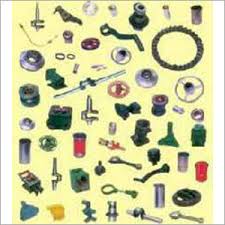
Are agricultural spare parts expensive?
Material quality is another major determinant of price. High-durability components such as hydraulic pumps, engine parts, and gearbox components are made from specialized alloys or heat-treated metals. These materials ensure the parts can withstand stress, pressure, and continuous usage. While high-quality parts may cost more, they reduce long-term maintenance expenses because they last longer and prevent machinery breakdowns. Poor-quality materials may result in cheaper parts, but they wear out quickly and require frequent replacements. Many farmers eventually realize that investing in durable Agricultural Spare Parts is more economical than constantly buying low-cost options.
Labor and engineering expertise also contribute to costs. Some spare parts require precise machining or advanced technology to ensure proper performance. For example, electronic sensors, injectors, transmission components, and hydraulic valves must be designed with great accuracy. These types of parts involve complex manufacturing processes, which increase production costs. Because modern agricultural machinery often relies on digital systems and automation, electronic components are becoming more expensive and more commonly needed. As a result, many technologically advanced Agricultural Spare Parts tend to cost more than traditional mechanical components.
However, it is important to note that not all spare parts are expensive. Many basic consumables—such as filters, bolts, nuts, spark plugs, belts, and basic bearings—are quite affordable. Farmers can also save money by purchasing parts in bulk, comparing prices across multiple suppliers, or choosing trusted aftermarket brands that offer good quality at lower prices. Another option is buying second-hand parts from salvage yards or machinery dismantlers, especially when dealing with older equipment. These alternatives can significantly reduce expenses while still providing functional Agricultural Spare Parts.
In the end, whether agricultural spare parts are expensive depends on the type of part, the brand, the level of technology involved, and how quickly you need it. While some high-end components may seem costly, they often provide better performance, longer lifespan, and fewer breakdowns. On the other hand, cheaper alternatives may be suitable for simple repairs or older machines but may not offer the same reliability. With careful planning, comparison shopping, and choosing the right suppliers, farmers can manage their budgets effectively and ensure they always have access to essential Agricultural Spare Parts without overspending.
